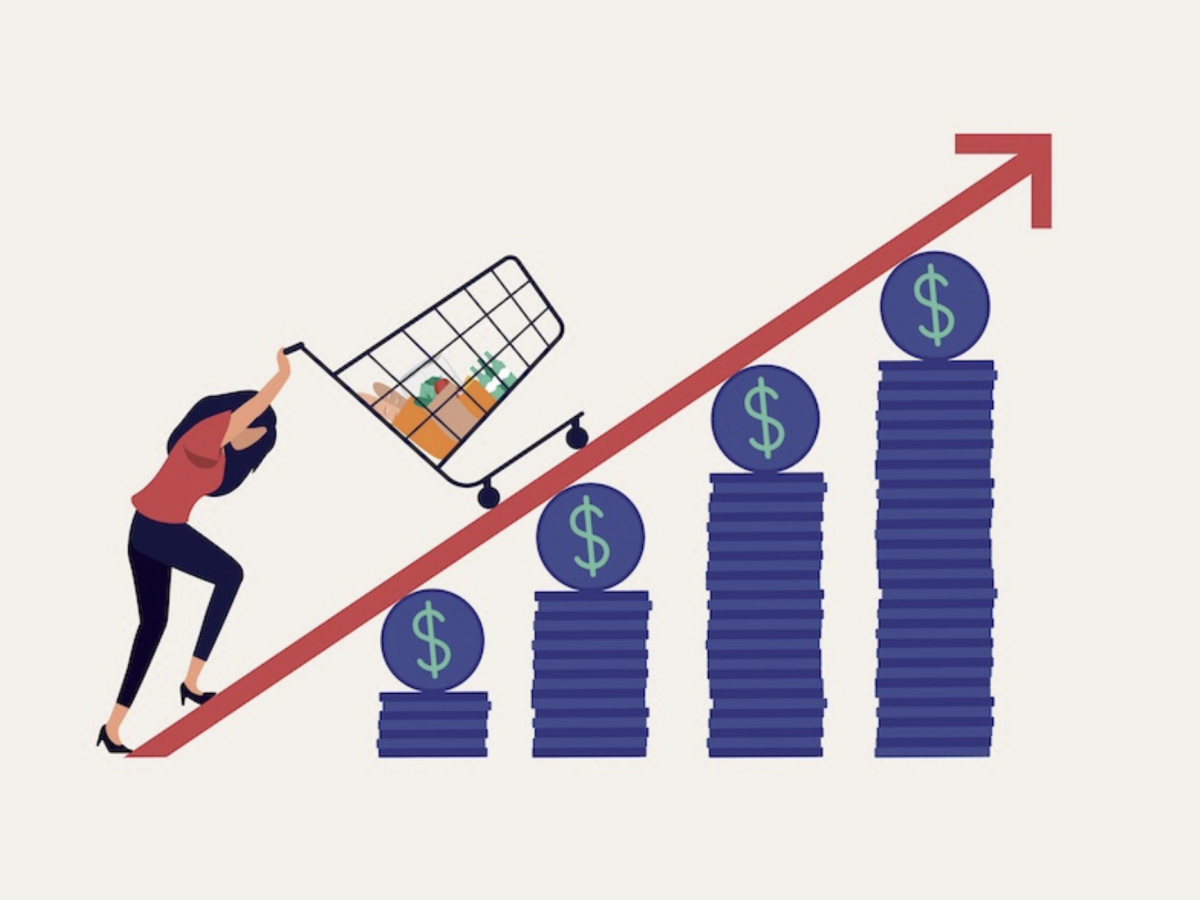

Millions of Americans rely on the Supplemental Nutrition Assistance Program as the country’s largest source of food support, helping low-income families, seniors and individuals put meals on the table. But new restrictions and shifts in funding are placing the program under pressure. Recent policy changes have tightened eligibility rules, reduced financial support and created uncertainty for states responsible for administering the system. Communities and advocacy groups warn that the ripple effects could deepen poverty, widen inequality and weaken a safety net that millions of families depend on monthly.
“I feel like the SNAP program benefits many families,” junior Jacqueline Briseno said. “It can help the families that are struggling and don’t have the same opportunities as everyone else.”
SNAP is a federal program that provides monthly benefits to help low-income individuals and families buy food. People who qualify receive an electronic benefits card that works like a debit card at most grocery stores, allowing them to purchase essentials such as fruits, vegetables, dairy, grains and proteins. SNAP is designed to help households who do not have a big supply of food by making sure families have consistent access to meals, especially during times of financial issues. In addition to supporting families, SNAP also puts money back into local communities, since benefits are spent directly at food retailers and farmers’ markets. Overall, the program plays a key role in promoting public health, reducing hunger and stabilizing families facing economic challenges.
“Threatening to limit SNAP benefits can be bad because then it leaves families vulnerable,” junior Preston Tran said. “I feel like families shouldn’t have to worry about SNAP being taken away.”
According to PBS, President Donald Trump is threatening to withhold SNAP benefits from Democratic led states that refuse to provide the SNAP recipients’ data. The administrationargues that the information is necessary to prevent fraud, but many states believe that the demand goes beyond what is required to run the program and could compromise privacy. If the federal government follows through, states could lose the administrative funding needed to process applications, staff local offices and distribute benefits on time. Without these resources, millions of low-income families could experience delayed payments, reduced support or disruptions in accessing food. Officials and advocates warn that the move could deepen food insecurity nationwide, placing additional strain on households that rely on SNAP as a primary source of nutrition.
“This can poorly affect not only families, but also the future,” Tran said. “Children will be poorly affected by this change.”
If federal SNAP funds are withheld, the consequences for families could be immediate and severe. Many households rely on these benefits as their main source of groceries and any delay or reduction in payments would leave parents struggling to afford basic meals for their children. Without full funding, states may face problems in processing applications, longer wait times and disruptions in SNAP distribution, causing families to go days or weeks without support. Low-income workers, seniors and people with disabilities groups are already vulnerable to food insecurity, and SNAP would be among the hardest hit. Community food banks could see increased demand as more families turn to emergency assistance. Experts warn that these disruptions could lead to rising hunger, higher stress levels in households and lasting impacts on children’s health and development, deepening economic instability for millions who rely on SNAP to meet their daily nutritional needs.
“Overall, I think that SNAP is a beneficial program, and that people should consider that there are millions of people that rely on it,” Briseno said. “Not funding SNAP would do more damage than benefits.”