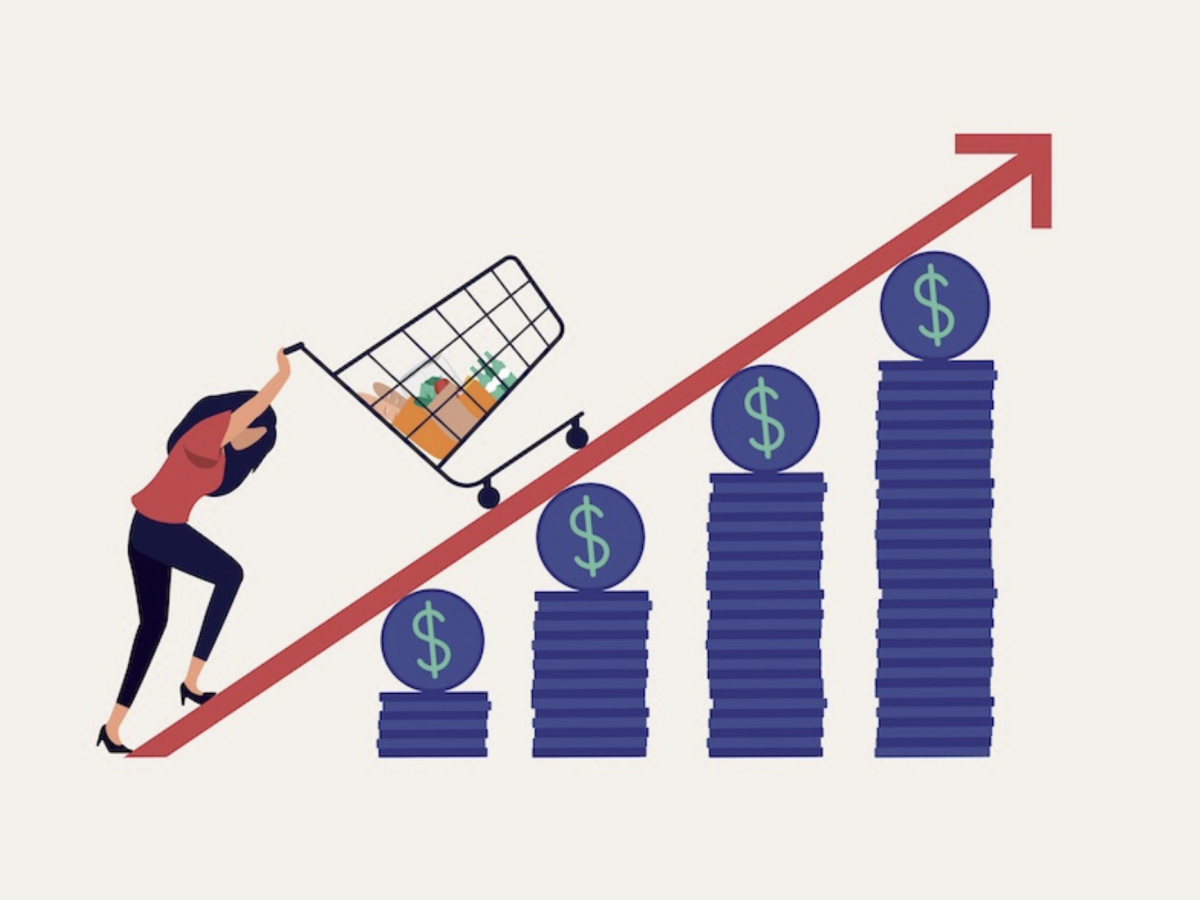
As prices rise consumers revert to different mechanisms that will help lower the cost of the goods and services they are wanting to purchase. According to the U.S. Department of labor, retirees have a harder time dealing with inflation because they are on a fixed budget, since it isn’t as flexible as working class members. Rising prices for essential goods, like food and gasoline, disproportionately impacts low-income households.
Inflation drives high housing costs by causing interest rates to rise. According to Bankrate, in August the inflation rate for the housing market was 0.4%, and over the past few months it has increased over 3.6 %. Included in the housing market are things like rising mortgage rates, inventory shortages and rising prices for both housing and construction.
Inflation has been around since money was formed with cases documented starting with Alexander the Great empire which was around 330 BC. According to History revealed, as the years go by, inflation has come in waves from post WW1 to post COVID-19. Inflation has peaked in waves since 1920 after the United States got out of WW1 with an inflation rate of around 23.7%. Inflation occurs when the money supply goes over the economic output. Things like increased wages, the rising costs of raw materials and higher taxes are just a few examples of what can potentially cause an increase in inflation.
Recently, COVID-19 was the latest peak of inflation rising to around 8%. According to CBO, during covid inflation initially declined, however once 2022 came around prices turned back around and rose again since the “Great Inflation” year in 1980. Prices have risen by 25% making prices for goods and services rise even higher since COVID-19 ended in 2022.