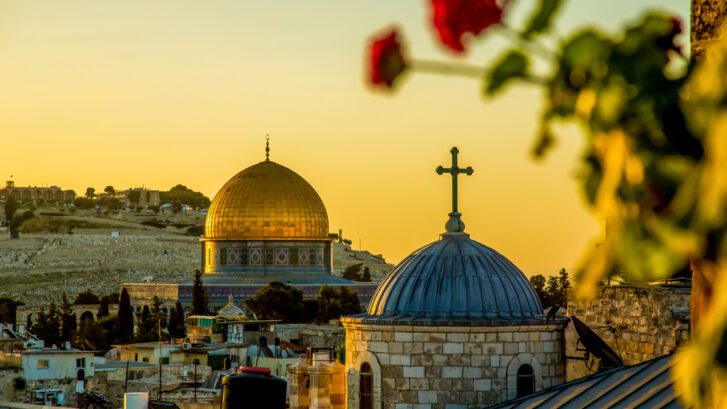
Typically, Feb. 18 is just another ordinary day of the calendar and at most celebrates bizarre holidays like ‘Thumb Appreciation Day’. However, this year the date was arguably one of the calendar’s most special days yet. Feb. 18 commemorated both Ash Wednesday and the first day of Ramadan, with both holidays celebrating the start of two of the world’s largest fasting seasons, Lent and Ramadan.
“There’s kind of a connection because this year [Ramadan and Lent] lined up,” IB junior Alex Avdalyan said.
The two fasting periods overlap about every 30 years as Ramadan follows the lunar calendar and Lent follows the solar calendar. However, the last time both seasons commenced on the same day occurred in 1943. This unique anomaly now brings an ideal opportunity for both religious groups to share their own fasting experiences.
“It shows the connection between multiple religions and helps us to see the differences and similarities in our cultures,” Avdalyan said. “It brings two very large communities together.”
With a combination of over 3 billion observants, both seasons hold aspects of sacrifice, self-discipline and focus. The act of fasting, whether it’s abstaining from a habit or food, not only promotes self-control, but also reflects on personal weaknesses inhibiting the path to salvation. Even though both religions perform different practices within their own fasting periods, the central idea between the two remains the same and clearly displays the observers’ devotion to God.
“[What fasting means to me is] taking one material thing out of your life,” IB junior Terrell Bennett said. “So you can focus on more spiritual things like praying and connecting with God.”
During Lent and Ramadan, followers not only fast from food but other habits as well. In Islam, it is an obligatory practice to fast from food, water and sexual acts, starting from the sunrise and ending at the sunset. Fasting bears a deep importance in Islam as one of its five pillars, which are foundational and mandatory practices for all Muslims. In contrast, Lent holds more voluntary elements as the only obligatory days to fast are Ash Wednesday, Good Friday and no-meat Fridays. On Ash Wednesday and Good Friday, Catholics eat one full meal and two snacks, as well as abstaining from meat the entire day. During the 40-day period, observers are also encouraged to choose to give up one luxury in order to push focus away from worldly things. While practicing other bad habits or sinful acts doesn’t necessarily break a fast, the periods are meant to promote spiritual awareness and push people away from those deeds.
“The idea of Ramadan [pushes me to continue fasting],” senior Aleeza Mohammed said. “All of your bad behaviors come from Satan, but when you’re still doing them and Satan is locked up, [then] you did it to yourself. I think that pushes me to better myself.”
In Ramadan, Muslims believe the devil is locked up and chained away to prevent distraction from their spiritual focus. This allows them to take initiative during the month and truly get closer to God, surfacing a connection that encourages asking for forgiveness and finding peace in faith. The season of Lent holds a similar sentiment, as Catholics fast like Jesus did in the wilderness and focuses on pushing away temptations from Satan, proclaimed in his earthly ministry. The period puts more focus on the practices he spoke of, largely on repentance and spiritual wellbeing.
“Unfortunately, I failed [my fast from Instagram reels] pretty soon because when I wake up I [usually] open Instagram to check my messages,” Avdalyan said. “[Though] in my culture, even if you do fail, you can repent and get closer to God. You retry because it’s about not giving up.”
Though the periods are centered on spiritual focus and dedication towards faith, it can be incredibly difficult to suddenly deprive oneself of habitual or customary actions. Both Lent and Ramadan are not designed to be easy and failure can happen, especially in times of heavy fatigue and desire to break a fast. If those fasting happen to break their obligatory fasts without a proper excuse, it is generally considered a sin in both faiths. However, the seasons promote seeking forgiveness from sins and finding a sincere spiritual connection to God. Regardless of whether followers commit a bad habit or break their fast, the holidays are designed to take an opportunity to reset from repetitive actions, as it is a journey to reach that point.
“[Giving up those bad behaviors] has been pretty difficult and I find myself slacking sometimes,” Mohammed said. “Hopefully, as Ramadan progresses I can learn to let go of stuff like that.”
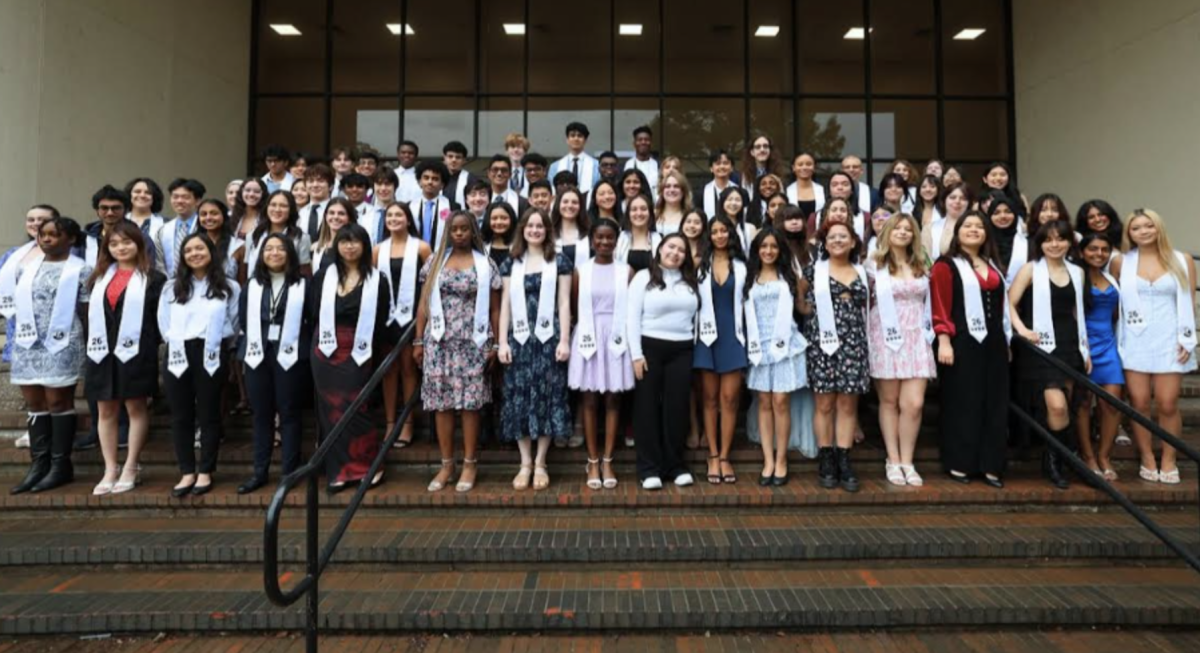
Due to the overlap, students from both religions can now practice Ramadan and Lent side by side. Throughout the school day, those fasting can share their similar experiences and encourage each other to discipline themselves.
“The thing [my Catholic friend] gave up is also something I also had to give up for Ramadan,” Mohammed said. “I think it was kind of funny that both of us could help each other in that same sense and give that up.”
While Lent and Ramadan advance spiritual connections and awareness to God through fasting, the two seasons have an entirely different story and structure. However, through devotion to faith alone, unity can prosper among these faiths. As Ramadan and Lent come to a close, not only do observants hope to preserve the ties they have made to God this season, but also the new interfaith connections made through this once-in-a-century occurrence.
“Many people have found connections in being Muslim and being Catholic and giving up something for their own month,” Mohammed said. “It’s really nice to have a sense of community that’s not just your own religion.”