Natural disasters have multiplied within the past ten years, resulting in a rise in deaths, raising awareness on public safety and more money spent on creating a safer environment. The aftermath of natural disasters has greatly affected families and their loved ones.
“It doesn’t matter how loud the sounds are; the tornado’s still coming,” junior Rayaan Sulahry said. “We should probably do something [to make the sirens louder] to [better warn] that the tornado’s coming.”
As tornadoes form quicker it leaves less time for people to react. Thus, leaving a need for ways to speed up alerts to help speed up time to help prevent a devastating disaster from leaving a bigger strike. Global climate shifts have greatly affected the amount of natural disasters that have been happening around the world. As change in climate increases, societies are sustaining heavy loss in properties but human life as well. These ideas on climate change have led to further issues in human health and safety. According to Our World in Data, there is a rise in chronic diseases, injuries, deaths and loss of property, all due to the devastating impact natural disasters caused.
“Hurricanes happen when a certain temperature [becomes] like a pattern of increase because of the fact of global warming,” Sulahry said. “I think that [tornadoes have] been getting more, like a general pattern of increase because of the fact that there’s like global warming.”
Hurricanes have caused major devastations to communities all over the world. When a hurricane hits, it doesn’t take long before the death toll and the mass displacement starts to rise due to disaster. According to UNHCR, nearly 123.2 million people are either passing away or permanently displaced from the horrors of these disasters. Many people are affected from natural disasters outside and inside the U.S. These disasters do not only affect the United States, but have greatly impacted countries outside of the U.S. Countries including the Philippines, Pakistan and other high risk countries. These countries are continuing to break down due to extreme natural disasters which have caused these areas to rise higher on the World Risk Index.
“I am from Pakistan, so I know about the fires that are happening in Spain and Portugal,” junior Naima Wasiq said. “I feel like they’re not even thinking about it. They’re only going to think about it when it is destroying the U.S.”
Having family and friends who have been affected by these unpredictable disasters can leave many afraid of what the outcomes might be. Knowing people outside the U.S. can make it difficult as communication can be cut off based on the severity of the storm or disaster that has hit them. Thus, making these storms drastic and harsh, creating anxiety for relatives.
“I think it’s [important] funding more research into when they happen because sometimes it might not really [alert people],” Sulahry said. “So it doesn’t really matter if the tornado’s coming at you really fast, and you can’t do [anything].”
The United States has established prevention methods to help decrease the overwhelming effect of these natural disasters. These preventions include implementing an early warning system, expanding building resistance and mitigation. With many understanding what the warning systems and new building codes are, thoughts come to mind referencing what mitigation might have included to help protect the U.S. citizens.
“Well I think it is caused by global warming, and that people are not paying attention to that too much,” Wasiq said. “Saying ‘it just happens’, but there is a cause to it. All the glaciers are melting which causes the sea levels to rise which is a big factor.”
According to Urban Institute, more than three million families and people lose their homes every year due to natural disasters. With many people not being able to get back into a home and forced into the streets. Natural disasters have raised concerns about how people are supposed to prevent storms from destroying their homes and lives. Many protection industries are working with businesses to help lower the use of nonrenewable resources and are trying to find different ways to work around the major issues dealing with climate change within the United States.
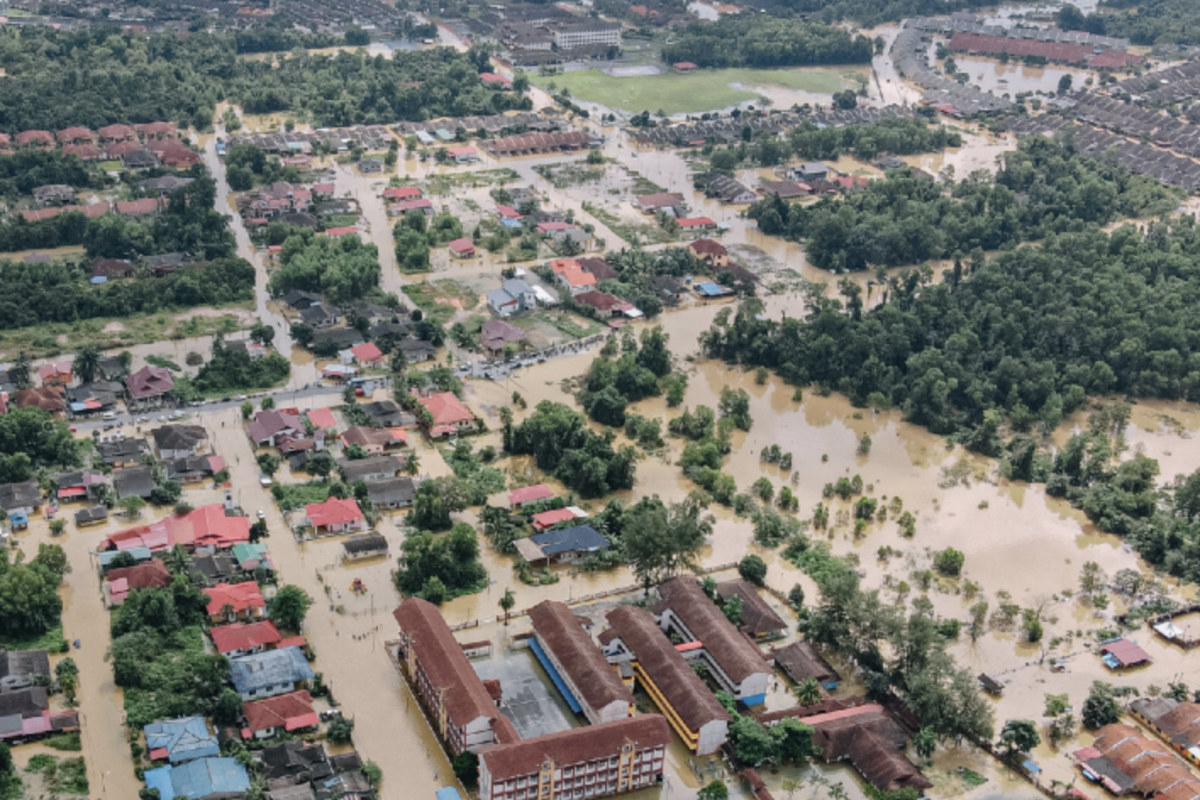
“For the people that are there, their houses are getting flooded, not only is it impacting the people there but also impacting their relatives,” Wasiq said. “It has a really big impact, not only the people that are experiencing it but also the people hearing about it as well.”