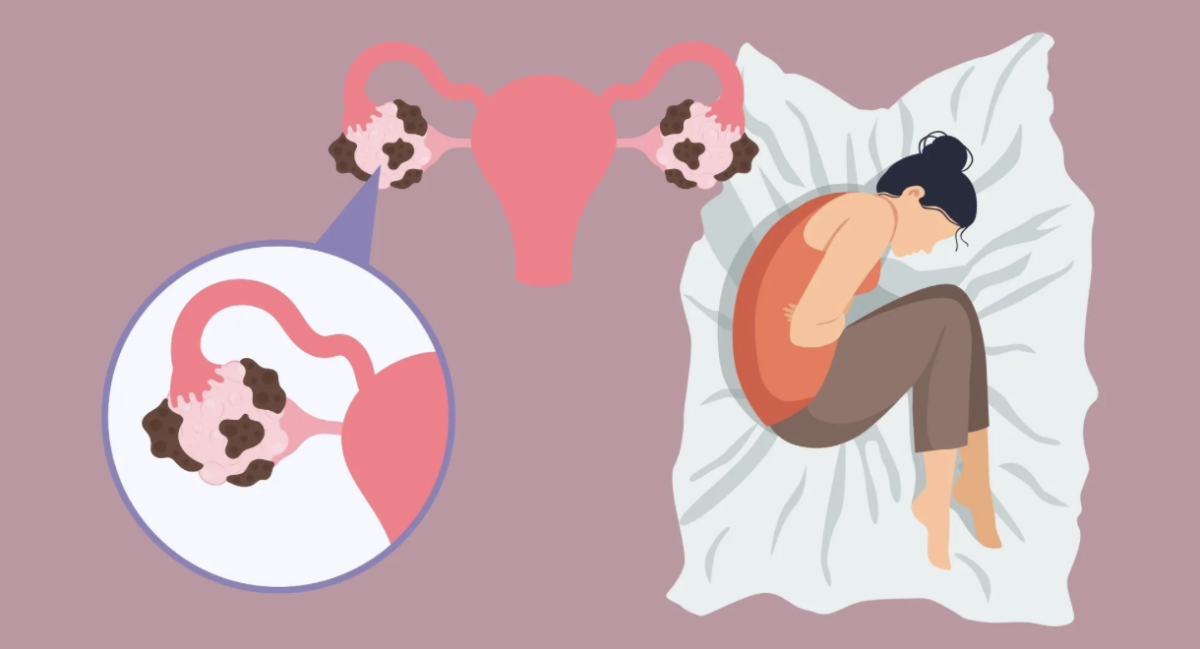
Around 75% of women are misdiagnosed with physical or mental health problems before coming face-to-face with an accurate diagnosis of endometriosis. According to Endometrios UK, 54% of people do not know what endometriosis is, its impact on women and how they proceed with care after being diagnosed.
Endometriosis is a chronic disease that affects 1 in 10 women of reproductive age. It occurs when tissue similar to the uterine lining grows outside the uterus, most commonly in the pelvic cavity, but can also appear elsewhere in the body, causing extreme and painful issues. According to the Endometriosis Foundation, symptoms include abnormal periods, painful menstrual cramps, nerve pain in the lower extremities, fatigue, nausea and even infertility. This condition doesn’t just affect the physical health of women, but also their mental health; it significantly increases anxiety, depression and increases the risk of developing an eating disorder due to the chronic pains and other potential genetic factors.
Additionally, it also impacts their daily lives. Endometriosis causes a reduction in work productivity, absenteeism in school or workplaces and restrictions on physical activity. Women cancel many social gatherings or plans due to unpredictable symptoms, which heavily impacts their mental health. Women who have endometriosis tend to be told that their pain is normal, which leads to the misdiagnosis of endometriosis, especially amongst teens. According to a study, authored by researchers at Arizona State University, 70% of women experience symptoms of endometriosis before age 20.
Even with a clear diagnosis that involves pelvic exams, ultrasounds and definitive laparoscopy, there is no cure for this chronic disease. Instead, there are treatments for endometriosis that center around managing the pain and improving the daily lives of women through medication, hormone therapy and surgery. Initially, the typical care revolves around pain relief and contraceptives to slow the tissue growth; however, for cases where the endometriosis is severe, a laparoscopic surgery may be used to remove lesions. While this surgery is beneficial in creating the condition, it can recur. Endometriosis is a long-term chronic disease that requires a management plan to reduce symptoms and improve life. This can also include dietary restrictions such as reducing the intake of red meat because it increases inflammation and raises the levels of estrogen, which endometriosis depends on. Cutting out red meat, or taking pain relief weeks before menstruation, can reduce endometriosis symptoms.
Although there is no cure, according to drug discovery and development, Endometriosis research is shifting toward earlier diagnosis and personalized treatment in the future.