
While everyone in the Hollywood industry loves a good true story, people and families behind these stories often dislike these depictions of their lives. Biographical films often claim to honor the lives and legacies of those they are about, but they are written as fictionalized stories.
Biopics should not be allowed due to inaccuracies, lack of consent and retraumatization of individuals.
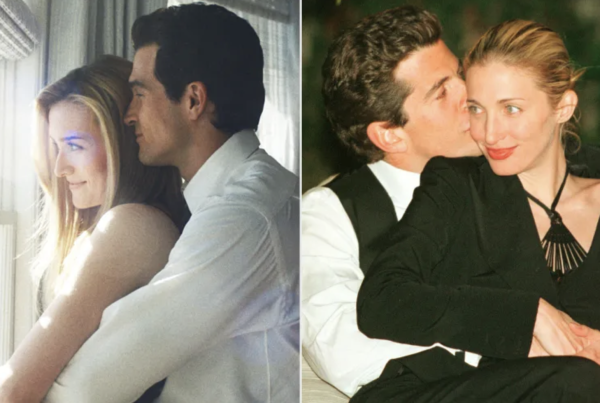
Biopics are focused on a true person or a well-known group and are typically about their life journey. This misleads the audience because they often feed false information about an individual. For example, “Love Story: John F. Kennedy Jr. and Carolyn Bessette” is a limited series that follows an iconic couple of the 90s, but not everything in this show is completely true to the story. According to People Magazine, Jack Schlossberg, the nephew of JFK Jr., said that the creator of the show Ryan Murphy, knows nothing about his family and that the show is a grotesque display of someone else’s life. In response, Ryan Murphy bit back with a comment that he doesn’t understand why Jack is complaining, since he probably doesn’t remember his uncle. It doesn’t matter if he remembered his uncle or not; this show is a depiction of his family that is not true at all. Jack even said that the show is a capital F, for fiction. When making a biopic, it’s important to get the facts right, as well as communicate with any relatives, in order to make a true film dedicated to the person.
Additionally, many biopics are made without consent from the families or even the person that it is about. In 2022, a television series titled “Pam and Tommy” was released about the famous Pamela Anderson and the scandal of her sex tape being released to the public back in 1997. According to Entertainment Weekly, the creators of the television series tried to reach out to Anderson and Lee but received no response. Although they believed that they were bringing justice to Anderson and showing how she was a victim to recontextualize her experience into a modern take, they did not have permission. According to Today, Anderson claims no grudge against the show, but the entire idea of the project was crushing for her. This was a moment in her life that took her many years to overcome and the project was a retraumatization of it all.

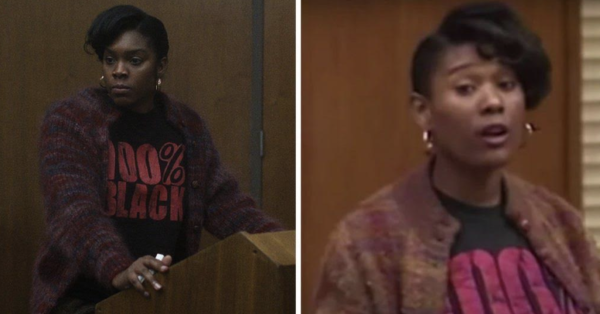
Biopics can open up past trauma for many individuals who either knew the individual or had connections to them. For example, Ryan Murphy created “Monster: The Jeffrey Dahmer Story,” which is a 2022 television series about Dahmer, one of the most notorious serial killers in America. According to the New York Times, Rita Isbell, whose brother Errol Lindsey was murdered by Dhamer, had no idea about the show and it had brought back all the emotions she had felt back then. Witnessing the reenactment of her witness statement felt as if she were reliving that very moment again. According to the New York Times, Biographical true crime shows, such as “Monster”, fail to consider the retraumatization of victims or their families. It is disgusting for them to relive the trauma they had endured, and this doesn’t just apply to true crime biopics; it can apply to any Biopics like ‘Pam and Tommy’.
Although one can argue that Biopics are actually quite beneficial, especially bringing in younger audiences into learning about historical individuals or events, it is not beneficial to the audience if they are being fed false information, leading to many misconceptions.
Overall, biographical films should not be allowed in the film industry because of their inaccuracy, lack of consent and bringing back trauma to victims or to the individual that it’s about. But rather than just completely banning biopics, the film industry should tell it straight, no fluff or lies, they need to tell the true story to actually honor their legacy.